
Original King James I Seal Coin Medallion Royal Coat of Arms Scotland Ireland UK
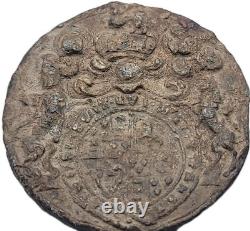
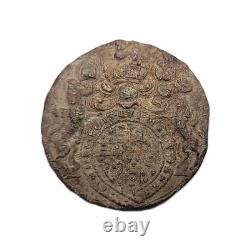
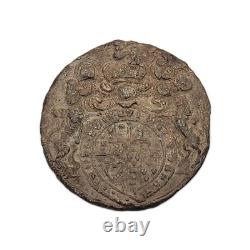
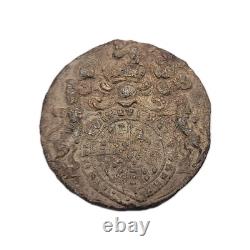
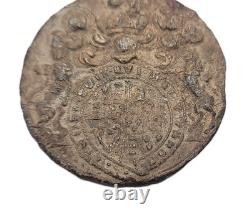
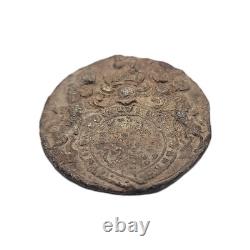
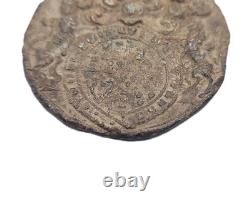
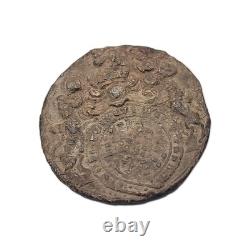
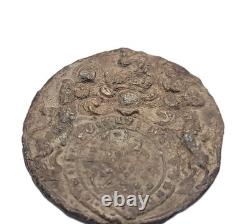
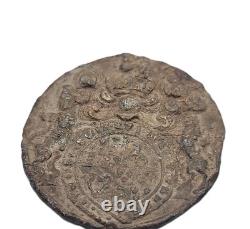
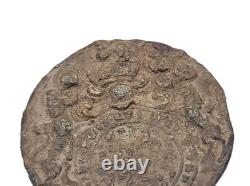
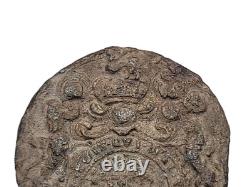
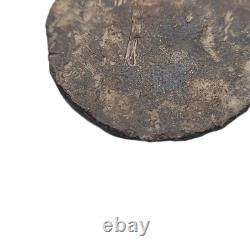
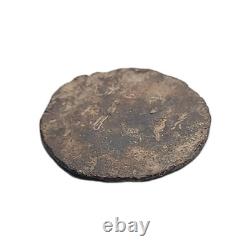
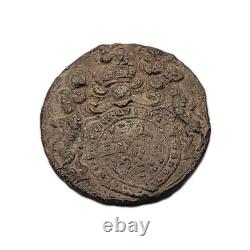
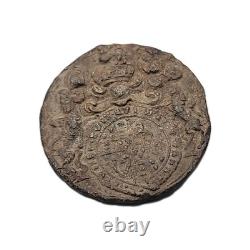
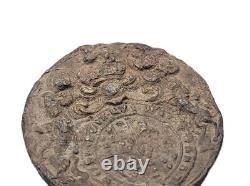
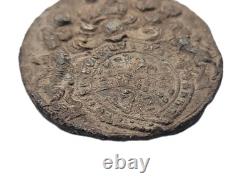
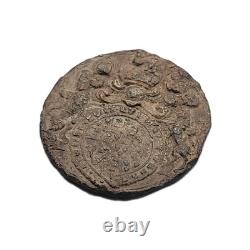
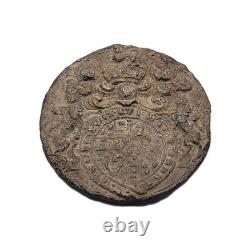

For your consideration is an exceedingly rare and historically significant original antique c. 1603 bronze coin, medallion, or token, issued during the reign of King James I of England and VI of Scotland.
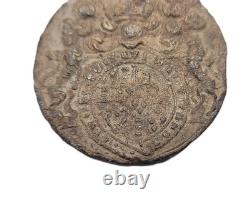
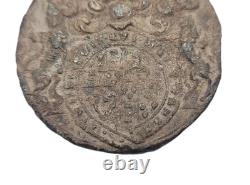
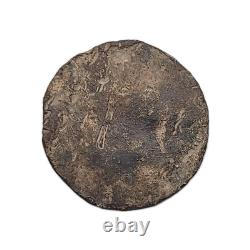
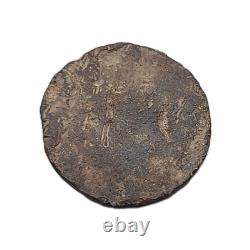
This exceptional artifact dates to the momentous year when James I ascended the English throne, uniting the crowns of England and Scotland under the House of Stuart following the death of Queen Elizabeth I. The piece features a detailed impression of the royal arms of King James I, used specifically outside of Scotland between 1603 and 1625, symbolizing his dual monarchy and the dawn of a new era in British history. Measuring 40mm in diameter and weighing 21.74 grams, the token is substantial in hand and retains its original integrity, with deep, rich patina across the surfaceparticularly on the side bearing the royal arms, which adds both character and authenticity to this early Stuart-period relic. The coat of arms displays the quartering of England, Scotland, and Ireland, along with the harp and lion rampant, all beneath the crown of the newly united monarchy. The design reflects the heraldic and political iconography of James I's rule, emphasizing his role as peacemaker between previously feuding kingdoms and as the rightful sovereign of the British Isles.
This piece may have functioned as a commemorative medallion, presentation token, or large coin, likely struck to celebrate or circulate the newly established royal authority. Its size and craftsmanship suggest it was not everyday currency, but rather an official or ceremonial issue designed to mark the significance of Jamess accession and the unification of crowns. Its survival in fine, all-original condition is remarkable, and it remains a testament to the artistic and political legacy of early 17th-century monarchy. A museum-quality and one-of-a-kind piece, this token is authentic, correct, and historically importanta tangible link to the very beginning of the Stuart dynasty in England and a symbol of royal power at a time of monumental transition.It would make an outstanding addition to any serious collection of British royal memorabilia, early modern coinage, or Stuart-era historical artifacts.